
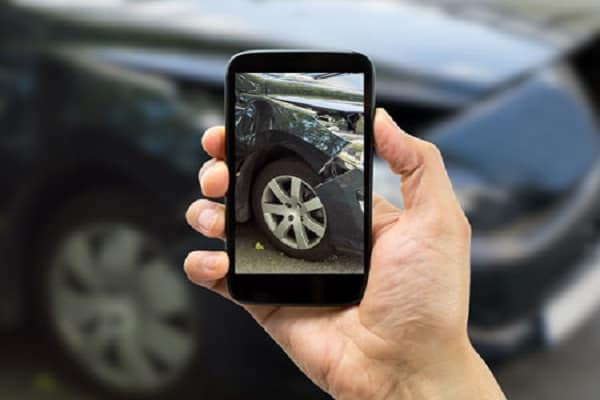
One of the leading contributors to automobile accidents is the use of cell phones and other “smart” devices while driving. When representing injured victims of Vero Beach car accidents, we often have reason to believe that the other driver was texting or talking on a cell phone at the time of the crash. Often, those drivers not only deny that they were using their phone but often deny causing the accident at all. Requests for access to texting records and cell phone use are routinely objected to by opposing counsel and even when records can be subpoenaed from cell phone providers, those records do not include many areas of modern smart device usage.
For example, records from the provider typically would not reveal whether or not the user accessed the internet, location information, email messages and social media postings. Although that information is often retrievable from the device itself, requests for access to those devices is often seen as a “fishing expedition” and an invasion of Florida’s Constitutional privacy provision (Article I, Section 23).
In the recent case of Antico v. Sindt Trucking, the First District Court of Appeal had the opportunity to address this issue in the context of a wrongful death case. In the Antico case, it was the defendants who sought to inspect and download data from the phone of a deceased driver whose family brought a case against a trucking company and its driver following a deadly 2012 crash.
After suit was filed, the defendants denied liability for the crash and asserted that the deceased was either comparatively negligent or was the sole cause of the crash because she was distracted by her iPhone. After receiving call and text records from the decedent’s cellular provider, the Defendants filed a motion to allow an expert to inspect all of the data stored on the iPhone from the date of the crash. The Defendants argued such an inspection would allow access to data not disclosed by the cellular provider such as email messages and social media posts.
The Plaintiff objected to the Order citing very broad privacy rights under Florida’s Constitution. After a hearing, the trial Court granted the Defendant’s motion to inspect and that Order was appealed. The appellate decision, which was issued on October 13, 2014 upheld the trial Court’s ruling. While recognizing the Constitutional privacy rights, The Antico Court found that those privacy rights to not completely foreclose the prospect of discovery of data stored on electronic devices. Rather, so long as the requested data is reasonably calculated to lead to the discovery of admissible evidence, limited and strictly controlled inspections of information stored on electronic devices may be permitted.
Because the trial court’s order provided very strict procedures as to how the inspection would occur, including a requirement that software be installed to ensure no alteration of the phone’s hard drive, the Antico Court found the inspection to be appropriate. However, the Court pointed out that the context of the request for inspection was extremely important to its decision to allow the inspection. Specifically, the trial court did not allow the inspection simply because the Defendant’s alleged the decedent was on her phone, or because she happened to possess a cell phone in her car. Rather, the motion for inspection was supported by specific evidence showing the decedent was texting just before the accident. In addition, two witnesses suggested she may have been on her phone at the time of the crash and troopers responding to the accident supported the conclusion that the decedent was using her phone at the time of the collision.
By emphasizing the importance of context, the Antico Court suggests that “fishing expeditions” requesting inspection of smart devices in all contested liability cases will not be allowed. Rather, the requesting party will likely be required to show some credible evidence that the device played a role in the crash as a prerequisite to gaining access to the device. Unfortunately, that type of supporting evidence is difficult to obtain prior to a lawsuit being filed. As a result, if there is a reason to believe that smart phone usage may have contributed to a crash, car accident attorneys should consider including a request that all data on smart phone devices be preserved as part of their initial contact with the opposing side’s insurance carrier. That way, if discovery later unveils sufficient evidence to warrant an inspection, that evidence will still be available to inspect or the opposing party could face an adverse inference for spoliation of evidence.